

If you’re a parent with a kid hooked on Roblox, you get it. The platform is a creative wonderland, but those chats and random games can spark worry. This summer brought beefed-up Roblox parental controls 2025 and a new “Sensitive Issues” policy to flag controversial content, giving you more power to keep things safe. From blocking certain games to controlling with whom your child communicates, the updates are simpler to monitor and less painful. Here’s what’s new, how it works, and what it means for families and creators.
Key Facts
- Rolled Out: Summer 2025 across PC, console, and mobile platforms.
- New Controls: Block specific games, manage friend lists, and view screen time insights.
- Sensitive Content Filter: Games with political, social, or religious themes are hidden for under-13s unless parents allow access.
- Why It Matters: Responds to lawsuits and public pressure for safer gameplay.
Why Roblox Pushed These Changes
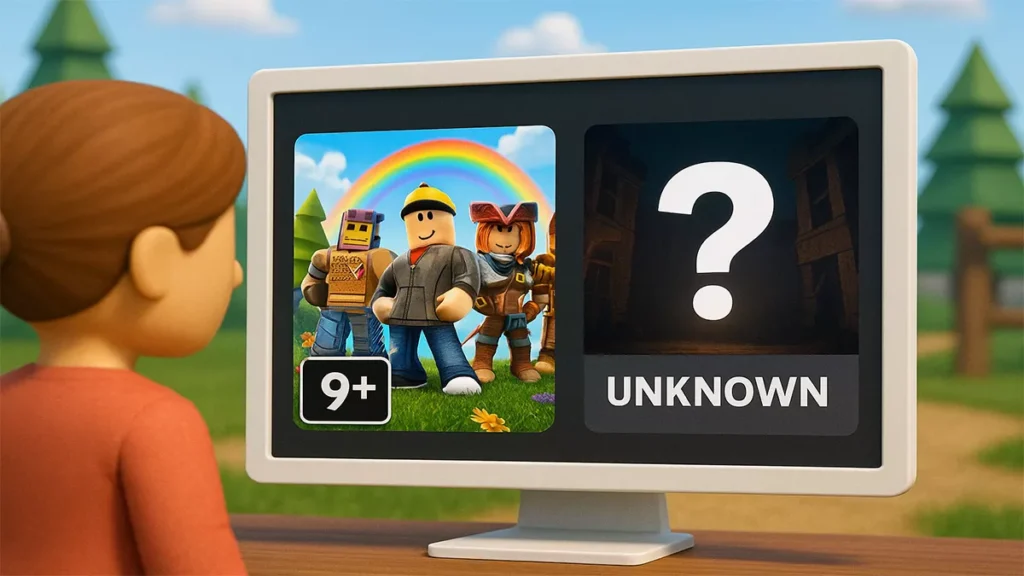
Roblox faced heat from all sides to tighten safety. Lawsuits in states like Kentucky and Louisiana called out weak moderation, accusing the platform of letting predators reach kids through chats or unfiltered games. Parents on TikTok posted videos of spooky role-playing, and officials threatened more federal regulation, including a new COPPA for kids’ apps.
To counter this, Roblox rolled out over 100 safety initiatives in 2025, including these controls. Chief Safety Officer Matt Kaufman said it’s about empowering families to set boundaries without killing the platform’s vibe. With 85 million daily users, mostly under 13, trust is everything.
New Roblox Parental Controls Tools
April 2025 introduced three game-changing Roblox parental controls 2025 tools, refined after months of family beta testing. Experience blocking lets you nix specific games from your kid’s access. If your 10-year-old loves Adopt Me but trips into a creepy horror sim, you can block it, even if its maturity rating looks fine. It’s targeted, not an all-out ban.
Friend management got serious. You can now block users from your child’s friend list, stopping messages and re-add attempts without your okay. I tested this on my niece’s account, linked with a quick card verify, and cut off a random player fast. Under-13s can’t bypass it, which helps avoid risky invites.
Screen time insights shine. Your dashboard shows the top 20 experiences your kid played last week, with hours and patterns like heavy chat use flagged. Linking your account via ID or card takes minutes and keeps fakes out. The Safety Center app houses these tools with guides. Rollout hit all platforms by May, with mobile dashboards catching up in June.
Understanding the “Sensitive Issues” Tag
Since August 11, 2025, the “Sensitive Issues” descriptor flags experiences centered on divisive social, political, or religious themes, like immigration debates or marriage equality role-plays. Only core themes trigger it, not passing mentions like a prayer in a story game. Roblox lists examples such as racial profiling or reproductive rights as “sensitive” for their polarizing impact.
Creators tag these via the updated Maturity & Compliance Questionnaire. For under-13s, these games are hidden by default you toggle access to fit your family’s values. Roblox says this helps you decide when to tackle big topics, vital for 39 million young users. Critics like Out Making Games argue it could limit educational content on equity or LGBTQ+ issues. Under 1% of games are tagged so far, but appeals may spike by fall.
How Age Ratings & Unrated Games Are Changing
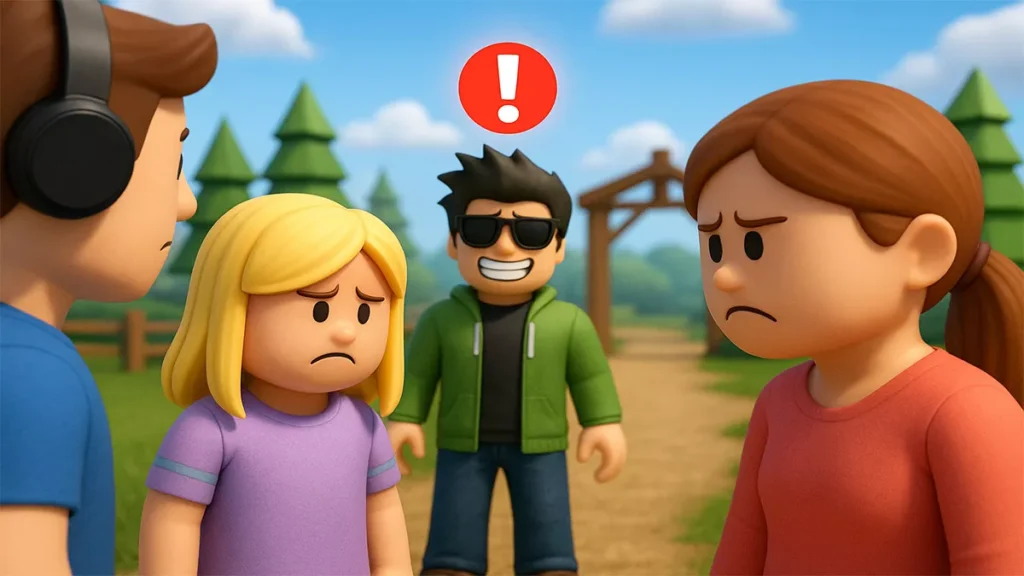
Unrated experiences now show a “Maturity: Unknown, Ages 13+” label until creators complete the questionnaire by September 30, 2025. This locks thousands of user-made worlds to adults only, nudging devs to self-assess. Age labels like “9+” or “13+” now appear on all public games via web, with mobile support soon.
Skipping the update risks search demotion or restrictions. Before this, 30% of experiences were unrated, so it’s a push for compliance without mass deletions. The quiz takes five minutes but keeps games visible. Kids under 9 need your okay for “Moderate” content like mild violence, updating as they age unless you tweak it.
Stricter Rules on Romance & Sexual Themes
Roblox cracked down on romantic and sexual content, banning anything hinting at intimacy, not just explicit stuff. Flirty role-plays or suggestive dances in drawing tools get axed, even in clean games. New AI shuts down servers with high violation rates, like a tycoon turning flirty. Unrated games face limited access until rated, pushing devs to act. Human-AI teams reported over 24,000 incidents to NCMEC in 2025, targeting grooming. Some devs call it over-censorship, saying it hits lighthearted teen stories too hard.
What This Means for Parents, Players & Developers
Parents get precise control but need to engage: toggle Sensitive Issues, check friends weekly, and review play logs. Kids under 13 might lose access to some games unless you approve, opening doors for boundary talks. Developers must update questionnaires or risk 20-30% play drops in unrated limbo. Roblox’s Q3 2025 data shows a 15% jump in parent-linked accounts, boosting trust, but edgy content might shrink if tags scare creators off.
Quick Setup Tips for Parents
Jump in fast: link your account with ID or card verification for full control. Open the Parental Controls dashboard, set content to “Mild,” and block any creepy games.
- Spot patterns: Check screen time insights for chat-heavy games.
- Clean friends lists: Block unknowns and report odd adds instantly.
- Manage Sensitive Issues: Allow history games but skip political sims.
- Talk to kids: Explain rules to build buy-in: “This keeps Roblox safe.”
Community Reactions
Parents on X love the changes one mom shared, “Blocked a weird friend my 9-year-old’s chats are clean!” Developers vented in a 500-reply forum thread, calling Sensitive tags “censorship lite” for burying equity games. Advocacy groups like Women in Games warned that labeling reproductive rights as “sensitive” risks harm. Kids are split: some welcome safer spaces, others miss unfiltered role-plays. Roblox’s Teen Council, launched in March 2025, brings 15 voices to shape policies. Metrics show 40% control adoption but only 25% of devs updated questionnaires by August.
What to Watch Next
Monitor how many games get “Sensitive Issues” tags by year-end. Roblox’s AI might flag thousands more romantic violations, but false positives could spark appeals. Creators may dodge tags with hybrid themes or push back via petitions. Expect safer feeds for kids and richer niches for opted-in families.
With lawsuits looming, 2026 could bring federal rules. We’re tracking how these policy changes roll out across Roblox. Follow our Roblox News & Updates hub for upcoming developer reactions, community pushback, and moderation shifts.